
Congratulations to Sarah Ruggins, who set the HWMR record in the following categories: 18-49 age group, upright bike, non-drafting.
This is also a new Guinness World Record (which is overall – spanning all ages)
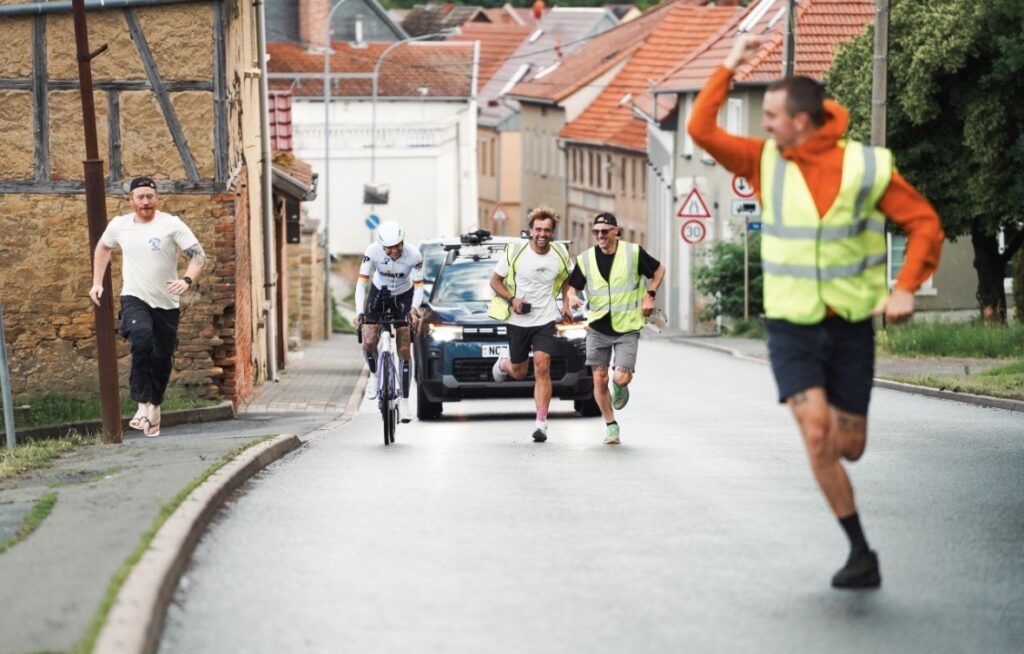
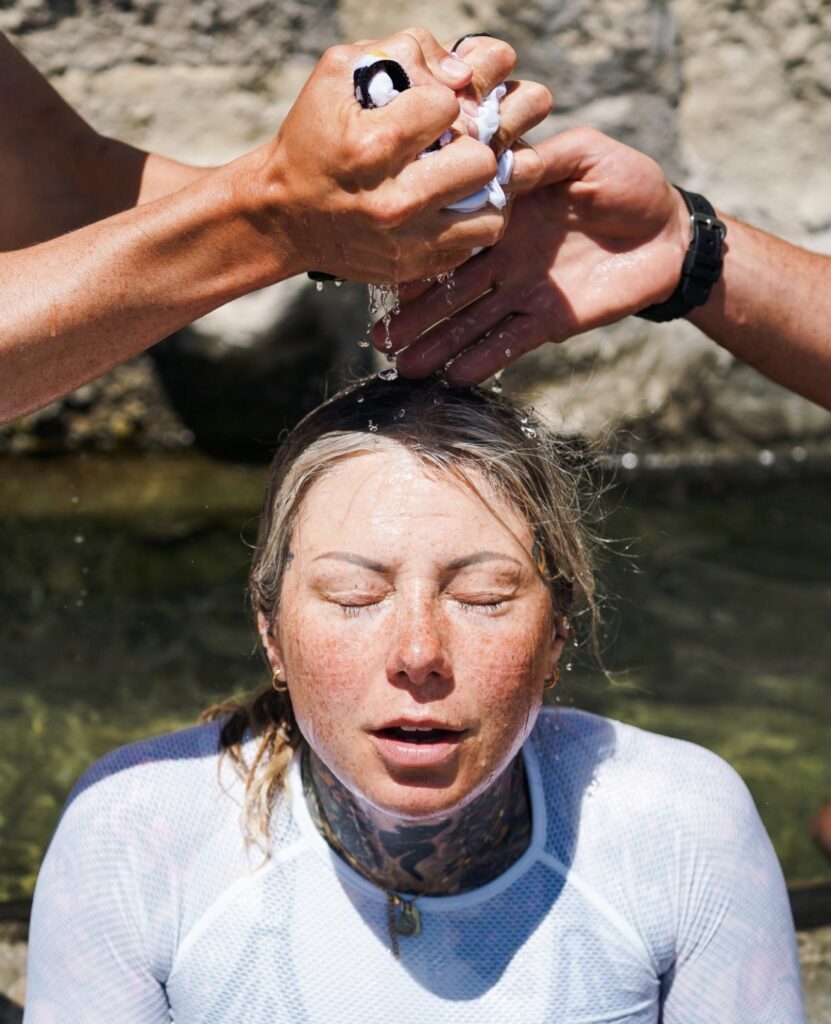
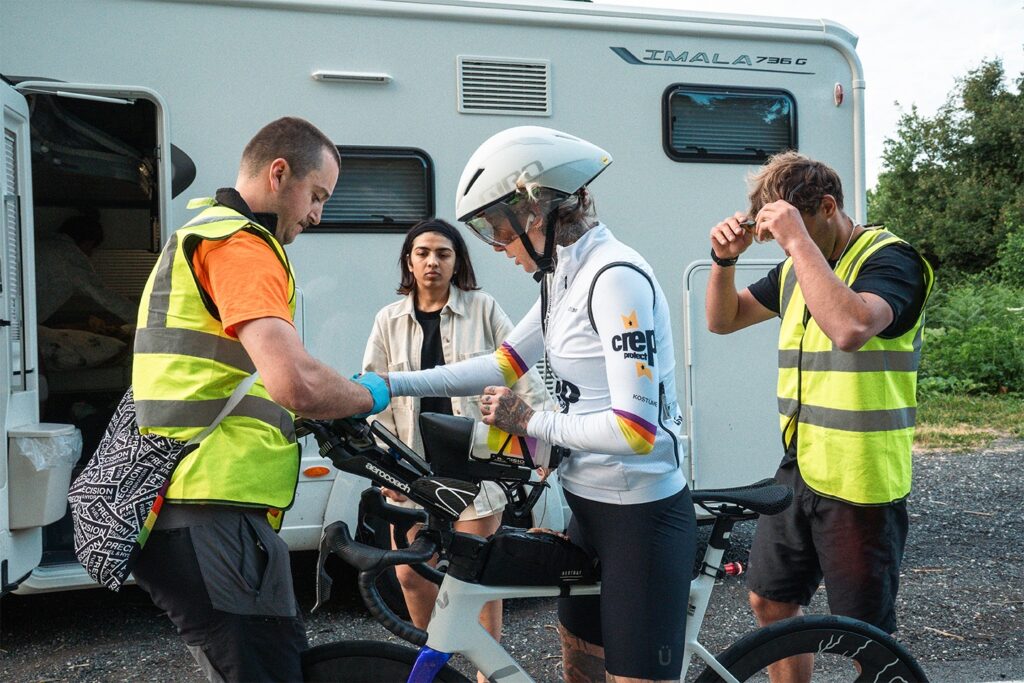
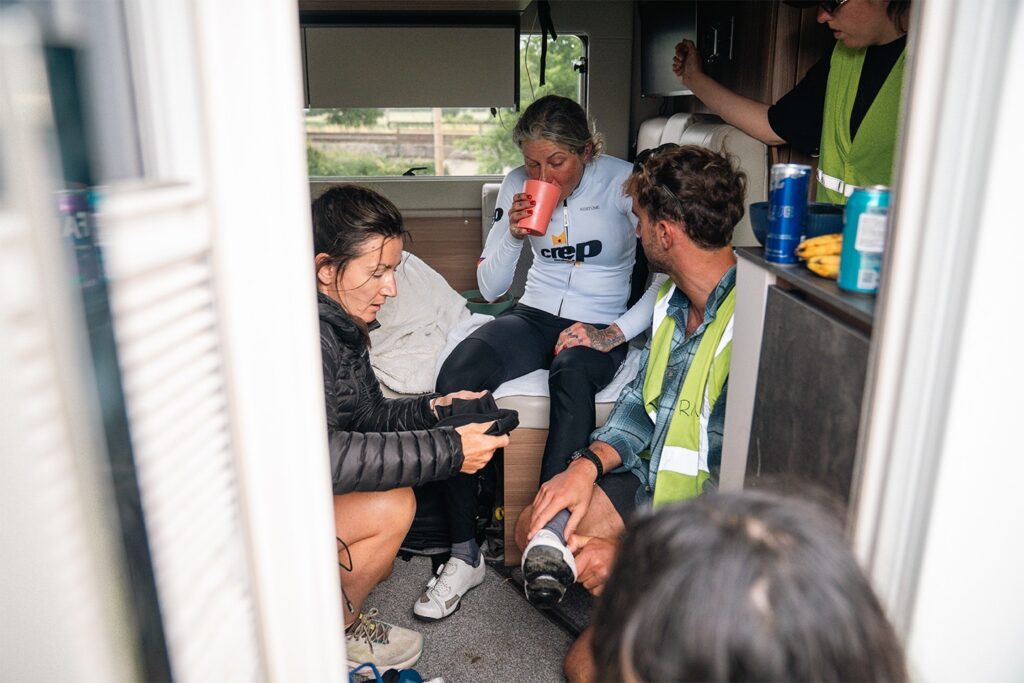
Record Attempt: Women’s 7-Day Mileage World Record
Rider: Dr Sarah Ruggins
Start Date & Time: 5 June 2026, 0800 GMT+2
Start Location: Tarifa, Cádiz, Spain – southernmost point of continental Europe (Islas de las Palomas gates beyond the promenade)
Record Period: 5 June 2026 – 12 June 2026
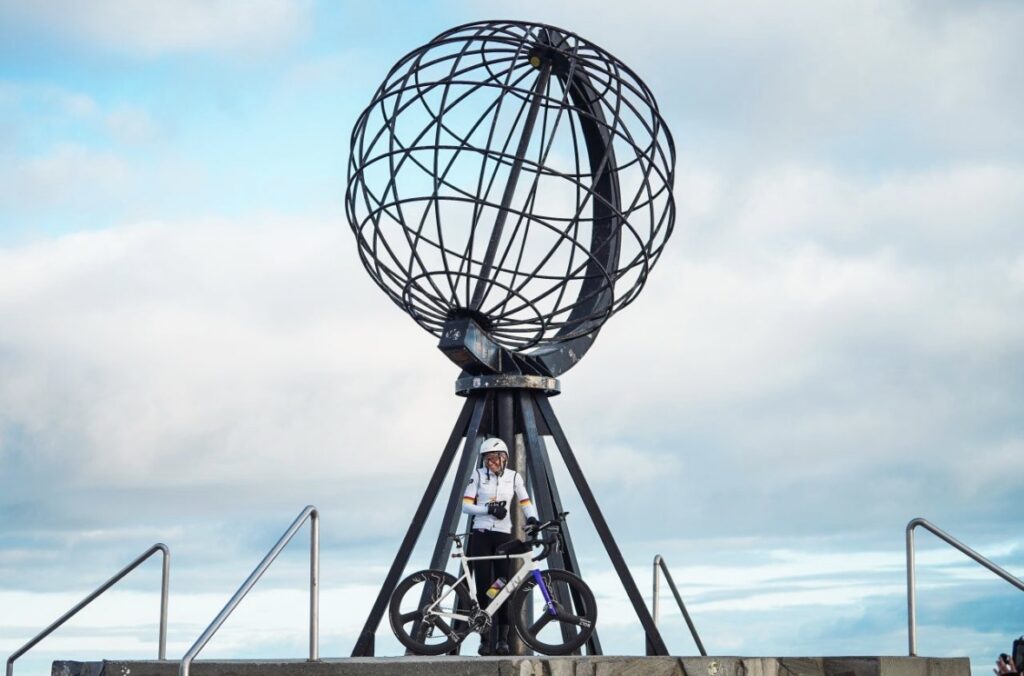
I began my ride in Tarifa, Spain, as part of a larger record attempt to cycle from the southernmost point of continental Europe to Nordkapp, Norway. During the first seven days of that journey, my objective was to establish a new Women’s 7-Day Mileage World Record while continuing to make progress north across Europe.
The record period covered multiple countries and thousands of kilometres, requiring sustained high daily mileages over seven consecutive days. Riding entirely under my own power and without drafting, I travelled between approximately 450 km and 630 km per day while operating on extremely limited sleep. Throughout the seven-day period, I averaged approximately 90 minutes of sleep per night, prioritising forward progress while carefully managing fatigue with the support of my crew.
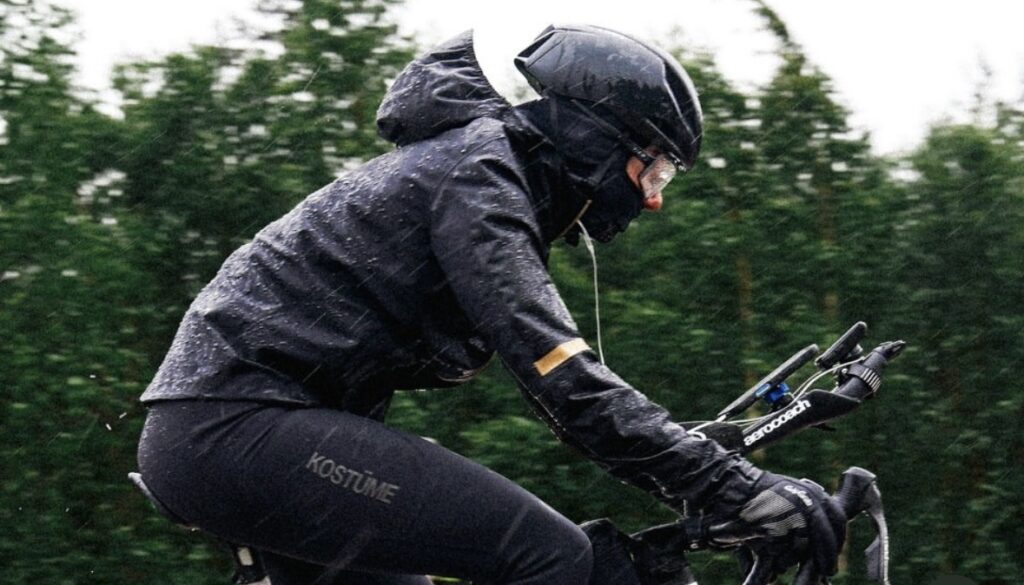
Conditions during the record period were exceptionally challenging. Southern Spain and France experienced significant heatwave conditions, with temperatures exceeding 35°C. Further north, I encountered strong winds, periods of heavy rain and rapidly changing weather. The combination of high temperatures, long riding hours and relentless daily distances created substantial physiological demands.
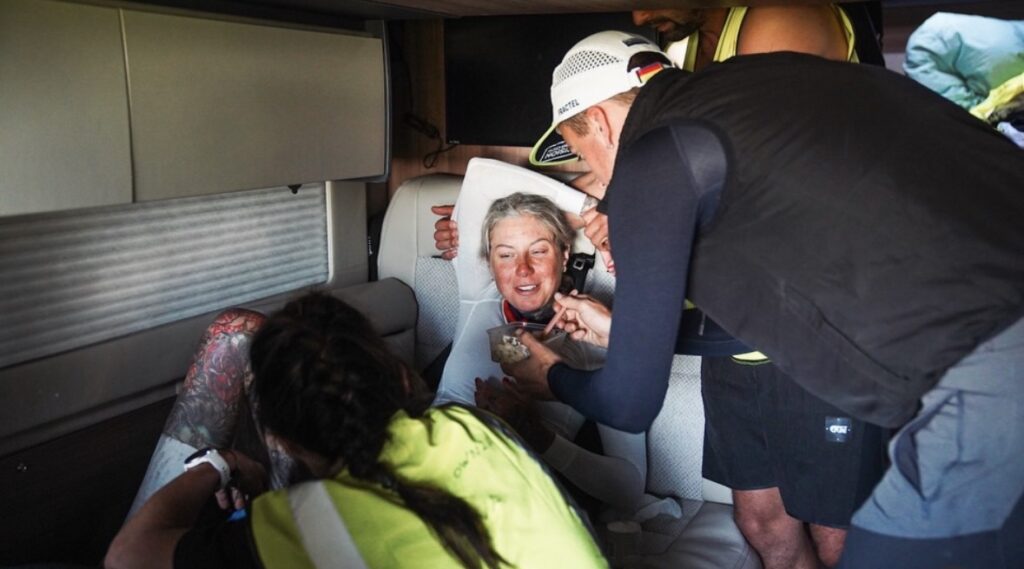
The primary challenge of the record was managing hydration and nutrition during the heatwave conditions in Spain and France. To maintain performance and avoid heat-related illness, I was required to consume close to two litres of electrolyte drink per hour during the hottest parts of the day, alongside a continuous intake of carbohydrates and easily digestible foods. Nutrition consisted primarily of energy products, sandwiches, pastries, fruit, rice-based meals and convenience-store food that could be consumed quickly while maintaining progress.
The motivation for the record was to explore the limits of sustained human endurance while demonstrating what can be achieved through preparation, resilience and consistency. Achieving a world record over seven days required balancing performance with safety, maintaining disciplined decision-making despite fatigue and adapting continually to changing environmental conditions.
I used a road bicycle configured for ultra-endurance cycling, supported by navigation equipment, lighting systems, communications devices and weather-specific clothing. Reliability, efficiency and effective crew coordination were critical to maintaining the pace required for a record of this nature.
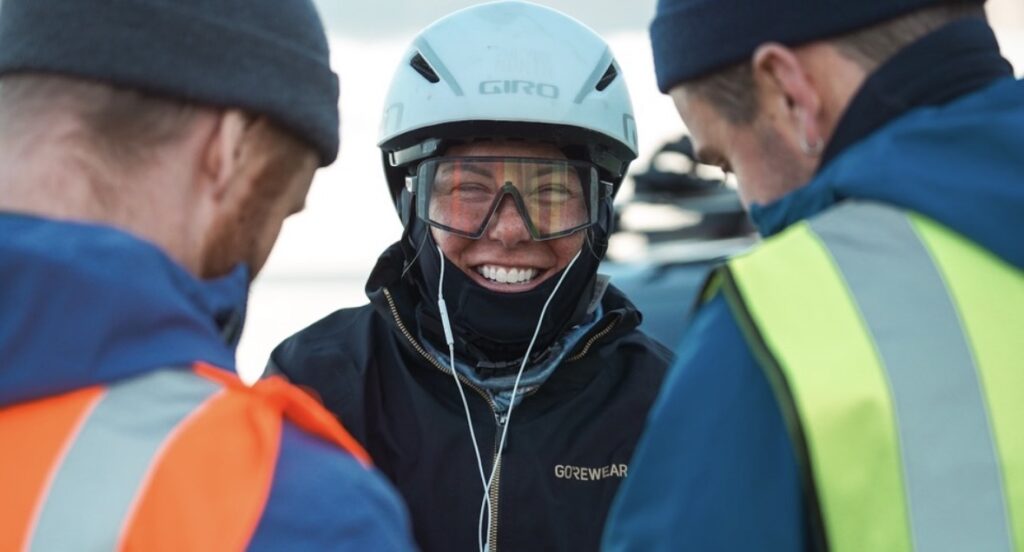
The most rewarding aspect of the attempt was witnessing the progression across Europe entirely under my own power while continuing to achieve record-level distances each day. The scale of the challenge became apparent through the constant changes in landscape, climate and culture experienced during the seven-day period.
The hardest aspect was managing cumulative fatigue while maintaining the physical and mental performance necessary to continue riding at a world-record pace. Limited sleep, prolonged exposure to extreme heat, physical discomfort and the need to remain focused for long periods each day all contributed significantly to the difficulty of the attempt.
The seven-day record period concluded successfully with a new Women’s 7-Day Mileage World Record established as part of the wider Tarifa-to-Nordkapp crossing of Europe. The experience demonstrated the importance of preparation, adaptability and resilience in overcoming the demands of prolonged ultra-endurance cycling.
It was a privilege to attempt this challenge and one I will not ever forget.